Search results
22 results found.

On The Edge of the Edge – The U.S. – Mexico Border
22 results found.
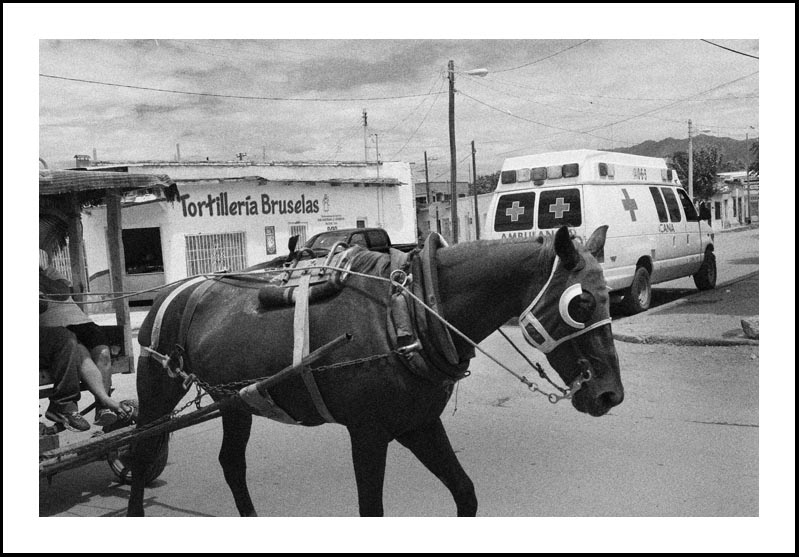
JUAREZ, Mexico – Juarez still stands. It is still Juarez. It is a city of my heart. I am not alone. It is insane what has happened in Juarez. There is no reference or metaphor: it just stinks. I walk the streets and there are “tastes,” of the old city. The “new city,” the one of Malls and chrome and green eco-glass, the nightclubs and shiny new cars has disappeared more than the old city has.
This might say something about what the condition of the city was before “The Troubles.”
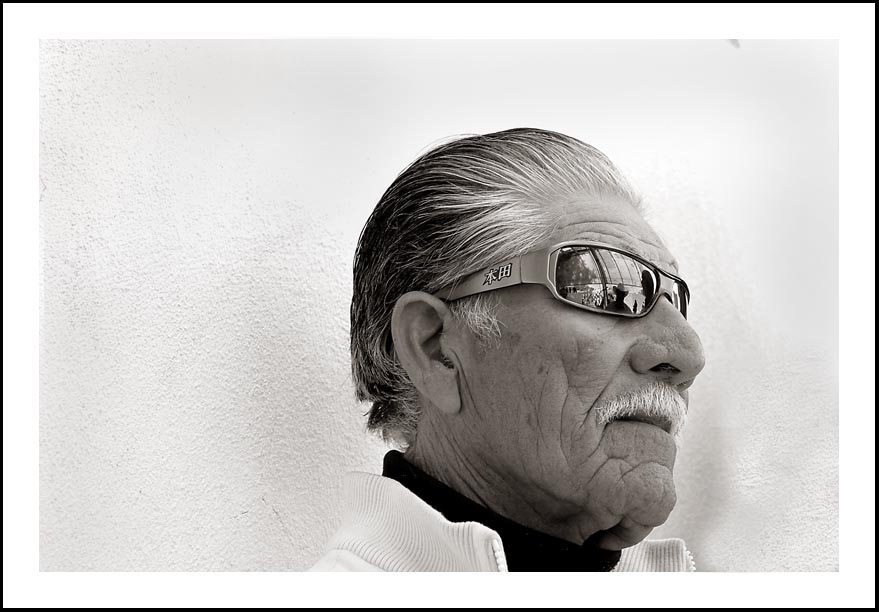
Juarez/13 June 2009
So what else is there in Juarez besides murder and catastrophe?
Right now, it doesn’t seem like anything.
But, then, there are those moments.
Tender Mercies.
I walk the streets. I walk the beaten down downtown. I bus through the factory landscape with For Lease signs more plentiful every time. I walk through the night clubs on Avenida Lincoln, defying myself, defying my fear.
But it’s there. The noise comes out of the clubs, loud, but not the joyous sound, more like the power-driven sound of defiance and booze.
People wait for the situation to end. It will. Someday.
Daily, the murder rate climbs, like an upward missile, slicing through the inherent good nature of this state and city, through this sunny northern Mexico metropolis that was turned into, first, a factory for first world consumption and, then, a monument to the future of world global wage reality. It was that, just a few years ago.
Seems like an entire epoch ago.
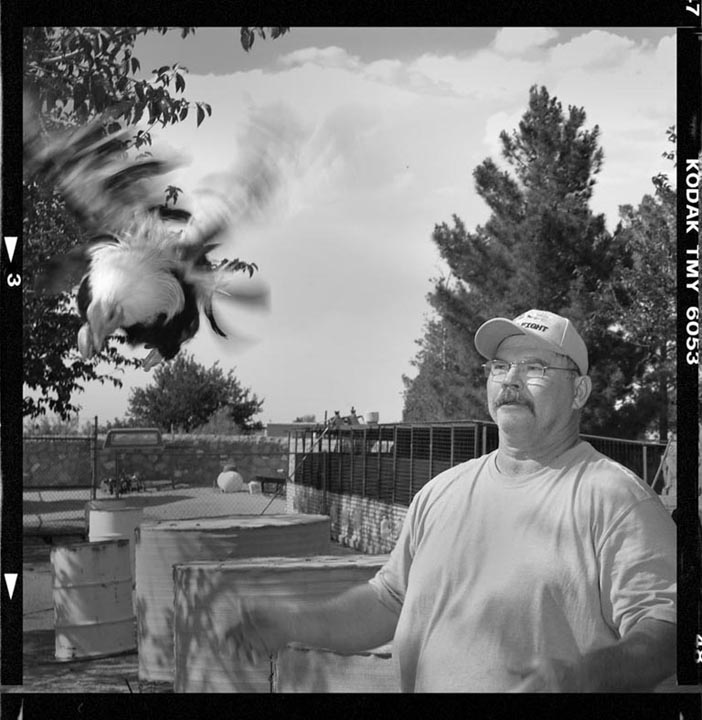
He has been raising these birds since he was a teenager. Fighters are they, he and his birds.
Now, cockfighting is illegal in New Mexico. Outlawed. “Civility,” has come to the funklands. God help us. Now come the thiefs with pens. They been fighting this since Billy the kid.
The rooster man keeps raising his birds. Doesn’t know what else to do.
He speaks of the “Old Man,” and “Ralph,” “Juan Pedro,”and the others. Each has a name. There are hundreds.
When he speaks, he says their names softly, a Lover’s murmur whispering his loves’ names.
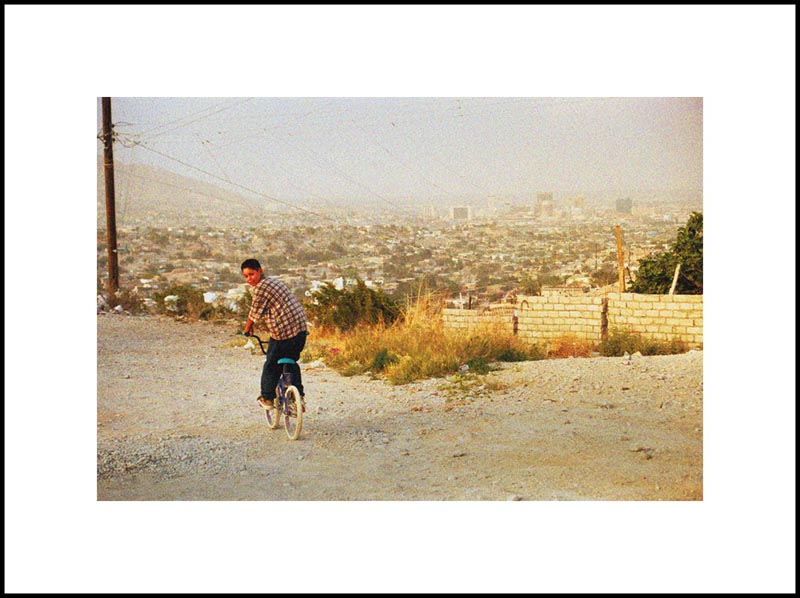
Someone observed, generally, that in so-called third world countries, poor people have to live on top of hills and mountains (where it is more difficult to get water and where roads are rough and barely existent), but in first world countries the rich like to live on top of hills and mountains, for the “views.”
And the status.
The Mexican Election: More Collateral Basura
I ran into a friend at the gym of the local university. He is from Mexico’s interior ( but the north). Smart guy, a brother. The university sits smack dab on the border and looks across to Juarez from El Paso. The university has many Mexican nationals mostly from Juarez but with a significant number of citizens from the interior, a majority of Mexican Americans and a smattering of Anglos. Like many things on the Border, it is physically the United States and pragmatically in Mexico (language, culture, food).
I ask him if he voted in the recent election.
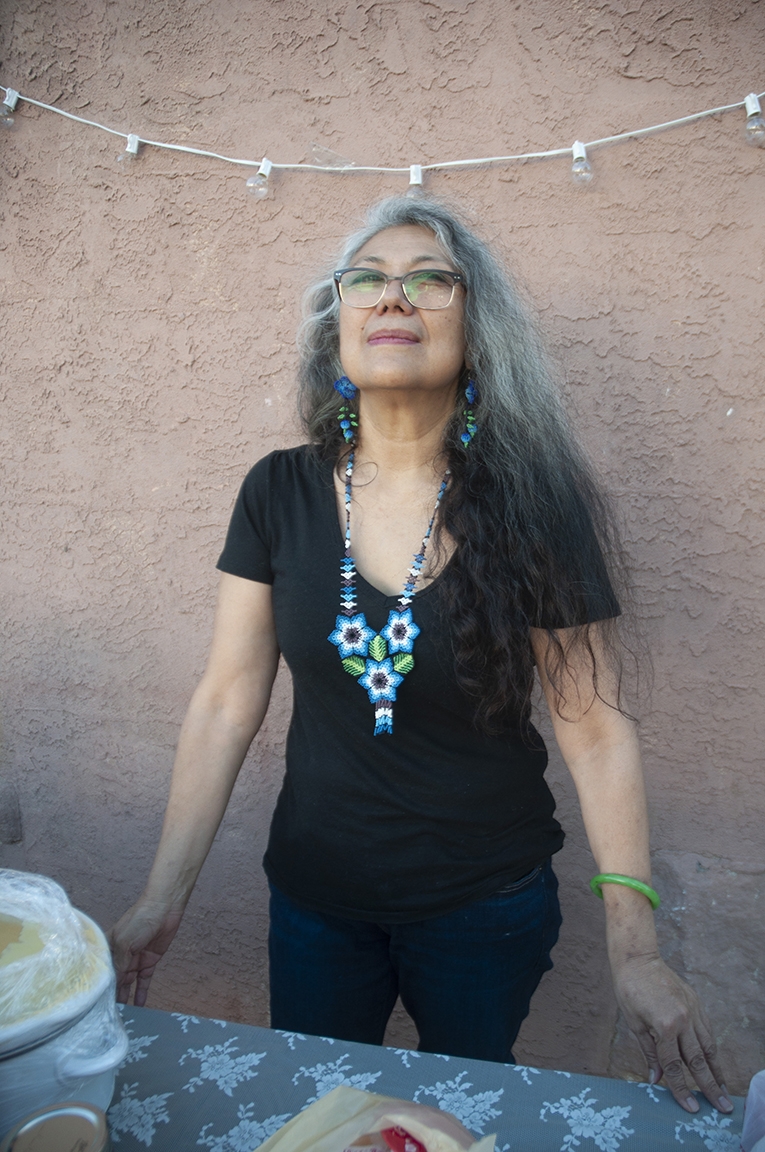
Dr. Selfa Chew Ph.D.
Visiting Assistant Professor,
Department of History
at University of Texas-El Paso (UTEP)
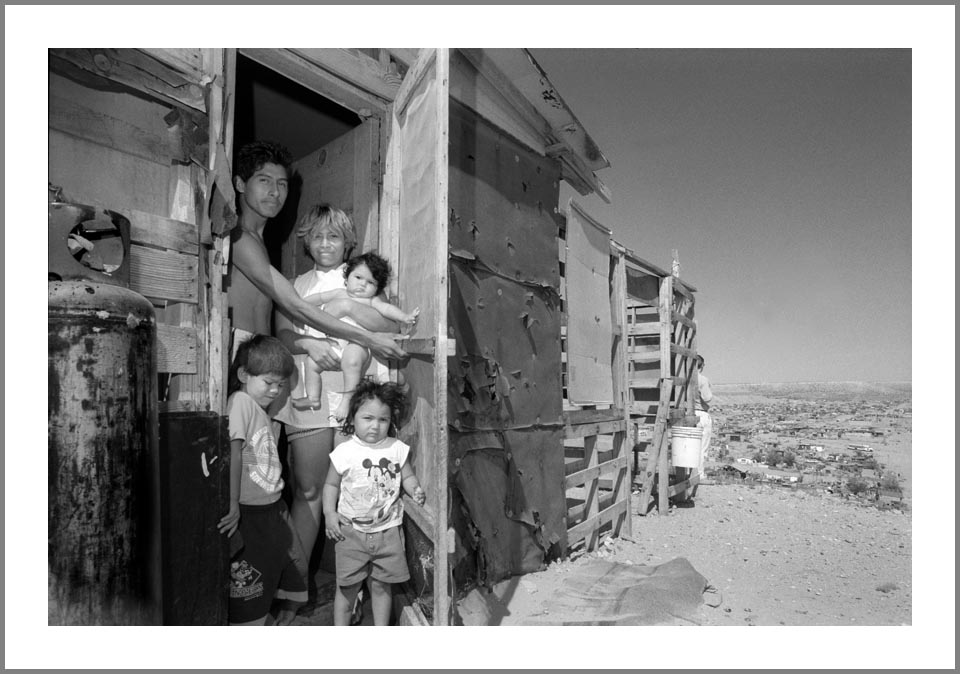
Commentary by the Editor
Juarez, Chih., Mex. — So how did this Cartel War begin and how does it end?
The Border Blog will not answer that today. We look for the things that make the heart tick and leave the fancy thinking to those that make these messes in the first place.
Roughly, for me, it began a long time ago, when the people who have most of the marbles understood that they didn’t have to do a thing about bringing along another class of people who had hardly any marbles at all. Impunity. No apologies. In Juarez the maquila industry began when someone figured out that Labor was a cheap product that Mexico had a lot of and that it could be exchanged for some major profit. Of course nothing so crass as that was said. Rather, this was the bright new day that would lead to a burgeoning “middle class,” and bring everyone up from the bottom. So they said. So the “development” of Juarez began. The powers that be brought willing companies looking for labor and they delivered “labor.” This labor, also known as the citizens of Mexico came from the far flung corners of Mexico. They had nothing else to do and would work at any price, went the theory. Everyone would be happy. You move here, we’ll give you subsistence (and societal dislocation), and we’ll go to the bank. Everyone will be happy.
Right?
When I first started photographing in the maquila factories of Juarez in the early 1980’s the salary in a maquila was $5 per day. Today it’s a little over $7. A full two dollar increase in 20 years. Imagine!
It wasn’t sustainable then and it isn’t now.
The promise of some kind of job, of rising above downright depraved poverty, was strong and people flocked to the border factories. First from Veracruz, then from Durango, then from Torreon and on and on.
If you were a Mexicano and wanted to improve your life without the terrible alternative of actually crossing the border and trying to make it work in El Norte, you headed to the maquilas of Juarez or Tijuana or Nuevo Laredo. If you made that journey you left your culture and customs behind. This was the brave new world.
Bienvenidos campesinos.
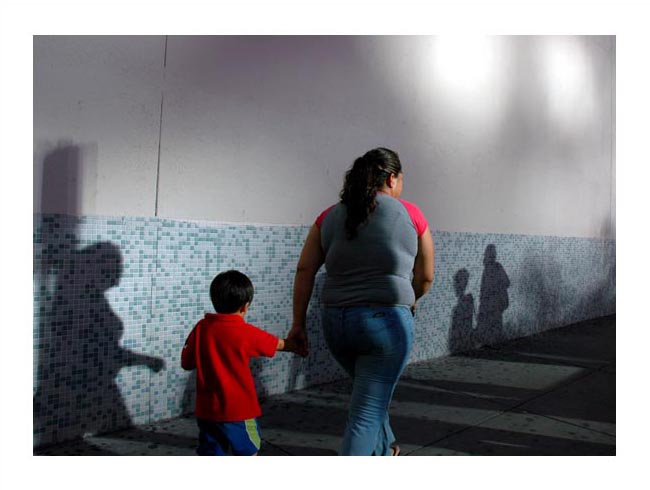
Opinion/Observation
by Co-Editor Bruce Berman
___________________
I drive my old routes. Camera on the passenger seat or my lap. As always, these days it usually stays there, untouched. There are things along the way that spark memories. Object that aren’t there anymore. Gorgeous commercial signs constructed by craftsmen in the 1950s and 60s (not the least of which from the Jimenez Sign Company) were carted off to other cities that were twenty years ahead of El Paso in their bourgeoisie ambitions.You can drink under some of El Paso’s “Motel, Vacancies,” signs in various bars from Austin to Houston to Baton Rouge. There’s a withering away now, aging and weathered, but mostly not endearing anymore, not worth stopping for (to make images). There came a year, a month, a day when the treasures of El Paso were either gone, carted off or just left to rot.
There are whole swaths of this incredible and authentic city that are gone, at least for the long gaze of a photograph: Alameda. El Centro (downtown). Segundo is shrinking fast, bordered by El Paso Street on the west (with nasty tentacles of them all over it) and Cotton on the far east, with old residents living out their days, youth getting out fast and them with their bulging eyes all over it. Off of Delta there are condominiums and some revamped industrial buildings, residents living an almost urban lifestyle (sans humanity). Even the Gay Bars have fled, a sure sign of urban renewal/removal.
It’s not my job to do anything about any of this. My job, as I saw it, at the beginning, in 1980, was to give face to a face that was not known and I have tried. As The Grid lays out its future in the city with two hearts, it’s clear to me that my mission isn’t to pick sides in land rights, power exchanges, or to watch -or judge- the inevitable blandification. But blandification has come. Oh happy day. Some loudly exhale and go, finally! The city is becoming presentable to visitors again. It’s cleaner. It’s newer. There’s baseball. Soccer is coming (watch out Chamizal! The final blow that started in the mid 1960s is finally here). There are restaurants with the preface Le with Foo Fo thing-a-ma-jig dishes with little portions of things that look like they squiggle -vegetables- on top of things it’d be hard to identify below. Fancy. Plates of Foo Foo. There are young people downtown again, well, the kind of young people that look like they’d also be comfortable up in Kern Place on Cincinnati and the upper Westside.
Finally, there’s a Starbucks downtown near the Plaza and the Westin. The kids from the ‘hood can serve the hipsters that come in from outer Zaragosa Road and beyond.
Boring? Not to everyone and I wish them the best. I am not part of this. I left this scene in three other places I lived before this very long stretch here. It’s the same message: you’re in the gentry or you’re equitied out of the gentry.
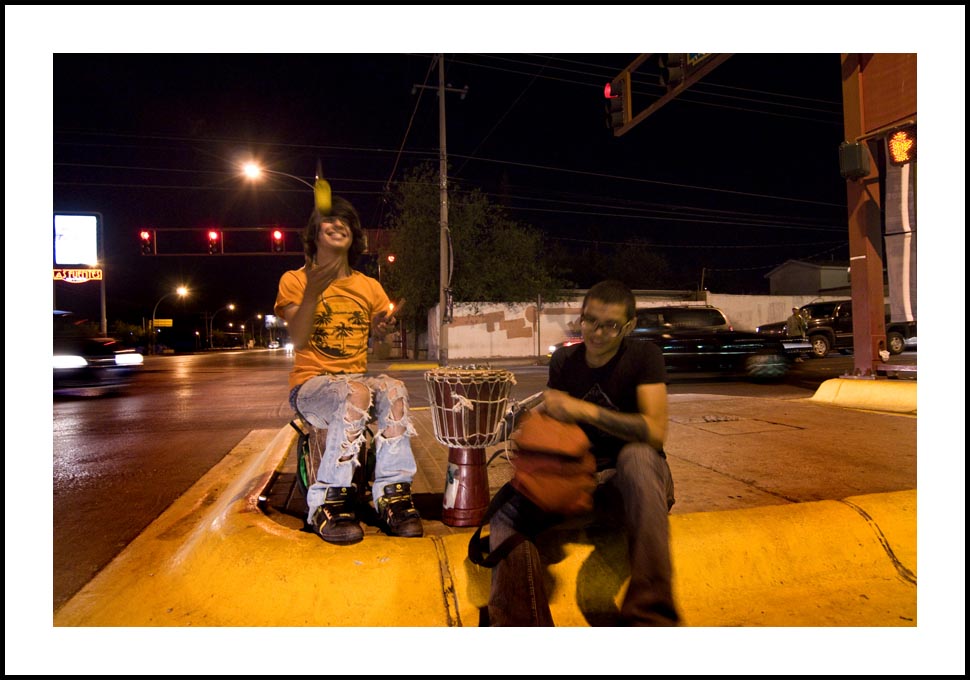
Pictures?
More pictures of dead bodies in the streets of Juárez?
Hard to want to do. I’m not visiting. I live here. It’s better when you have to get the images for your boss/editor and then high-tail it to the airport.
But, I’m not working for a daily paper anymore.
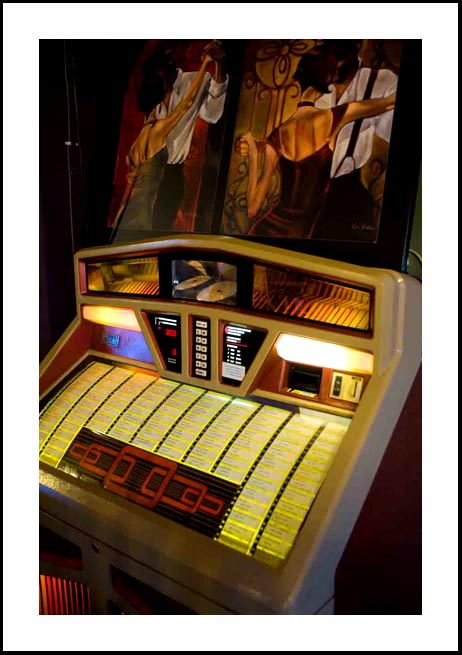
Juke boxes.
They’re a “warm fuzzy,” no matter how you cut it.
No?
I just wanna dance. It’s the holidays.
Time to dance. And stare at the wall (and the Web) and have luxurious long lunches (and personally enriching) with good friends, now, in the rush of my life, long overlooked.
I’m in New Mexico and there’s a lot of land here, still. Lots of space to dance, and write and spin and dream…in New Mexico, lots of space to scream at the sky and to yell, “No mas el mundo, basta!”
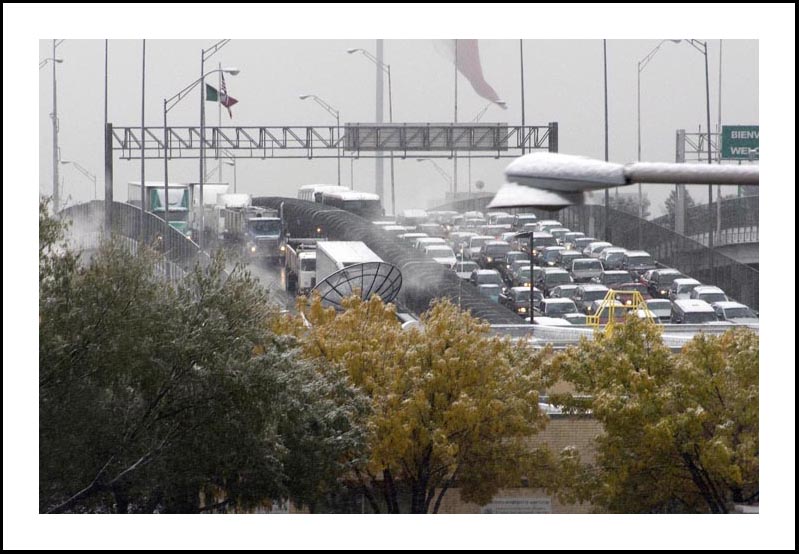
Snow!
A rarity in this no-mans-land.
Hardship. No one is ready for it. Not man nor beast nor domicile. The aftermath will be unnavigable mud on some of the streets in Juarez: there’s always a fire from people using heaters they’re not used to using; tons of $14.95 coats will be sold on El Paso Street and Stanton Street and the various Fallas Paredes tiendas all over town; car crashes aplenty; you can bet on it. The homeless freeze. Rich people buy juniper logs for five bucks apiece to have their moment of apres ski. Everyone will adapt eventually, but by then we’ll be back in T-shirts and shorts; my loft turns to a freezer; life is anew. This is a place of the sun, not really set up for anything else.
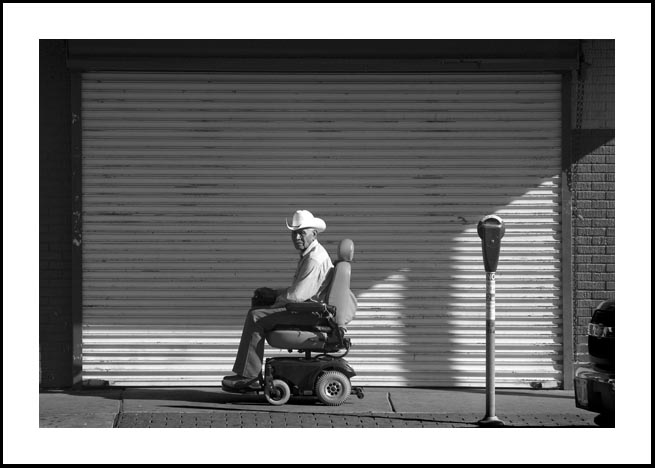
There are a lot of viejos in the Sagundo barrio. They get around.
There are a lot of kids too.
Like it always was but just fewer. It’s the heart of this isolated town.
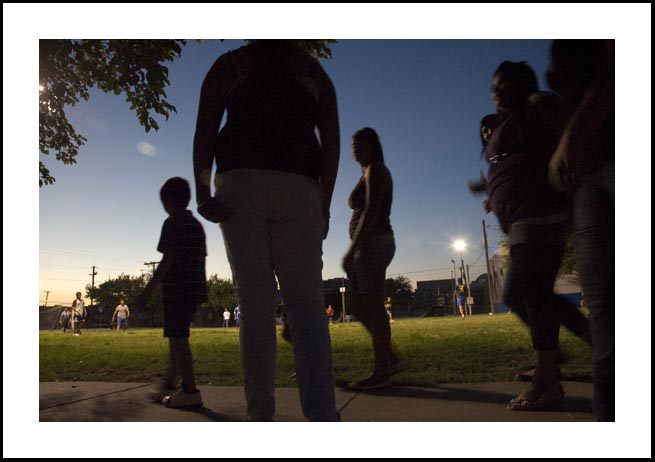
Needed a trip to see someone “rich,” get to my home, my ‘hood, the epicenter.
A day -part of a day- in Americaland was enough for me. Felt sick. Left wobbly. Everyone comes to that place where you’ve got to weigh the illness of your certainties against the “healthiness (or lack of it)” of your insecurities.
I’m there.
I head to the pueblo.
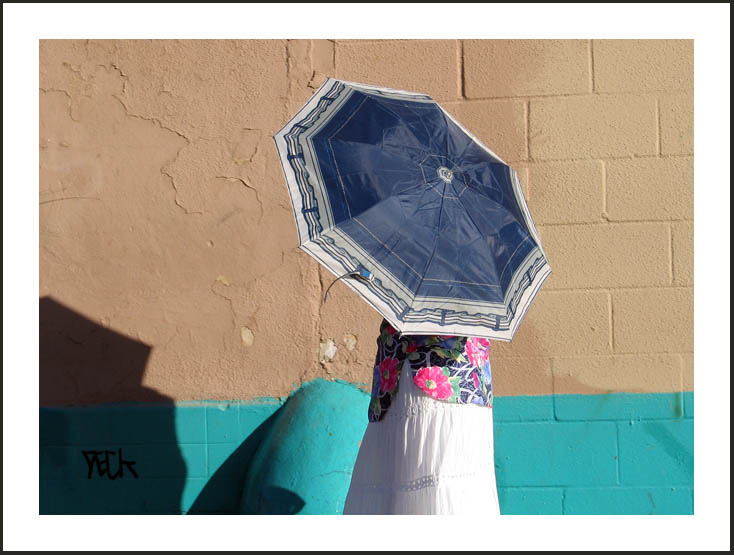
Summer is here on the border. Hot. You know it’s summer when the umbrellas are out. Of course what’s in this image is not very “sopisticated.” Who walks in the Brave New World, anyway?
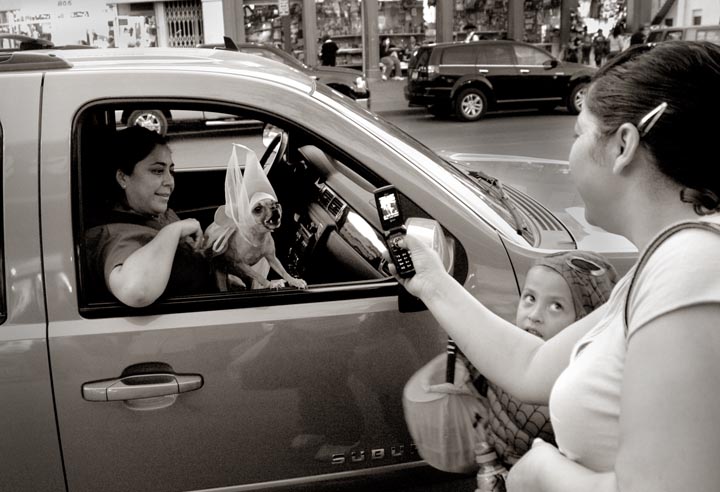
El Paso, Oct. 31 (Halloween), 2008
Halloween on El Paso Street, the first (or last) block of America. Everyone is dressed and laying a festival veneer over the street. 5:30pm, people still rushing to the bridge to Juarez to get home (especially these days, trying to get home before dark, before the murders begin).
Cookie is one angry Chihuahua.
Editor’s note:
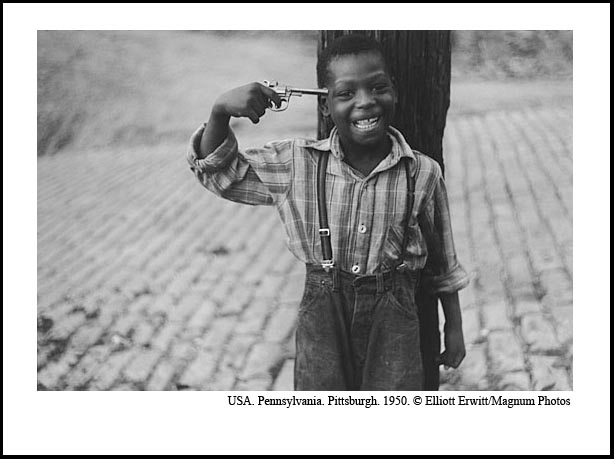
This is an interview with Magnum photo greats, Elliott Erwitt and Burt Glin.These are the oldest current members of Magnum, the great photography cooperative founded, in 1947, by Henri Cartier-Bresson, Robert Capa, Robert “Chim” Seymour and George Rodger. For a certain kind of photography -our kind- this is a group of top notch shooters with really interesting work. If one needed to summarize the “vibe,” of Magnum, the word we would choose is, “Humanistic.” We’d define that as a passion for telling the truth -visually and emotionally- about humanity, all of it, with a predisposition to the idea that, as Anne Frank said, “I still believe…most people are good.” Magnum shows the full range, always entertainingly. These two photographers, are its heart and soul and treasure.
April 22, 2008

Magnum’s reputation is not just based on extraordinary photography. What distinguishes the members of the photoagency, which was founded in 1947, is character. The legendary Magnum photographers Elliott Erwitt and Burt Glinn talk about moments of opportunity, courage, independence – and humor. This interview was conducted by Pia Frankenberg in December 2006 and was first published in Frankfurter Allgemeine Zeitung in January 2007.

USA. New York. Dance School. 1977. The image is from part of a photo story about “upper class” children getting dancing lessons and being taught the “social graces”. © Elliott Erwitt/Magnum Photos
Pia Frankenberg: Since when do you two know each other?
Burt Glinn: We first met in 1952 or ´53 I guess.
Elliott Erwitt: In the morning, I think.
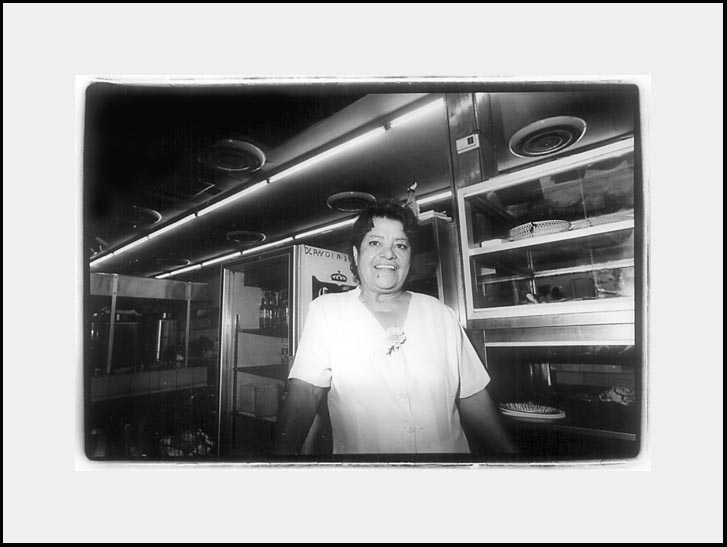
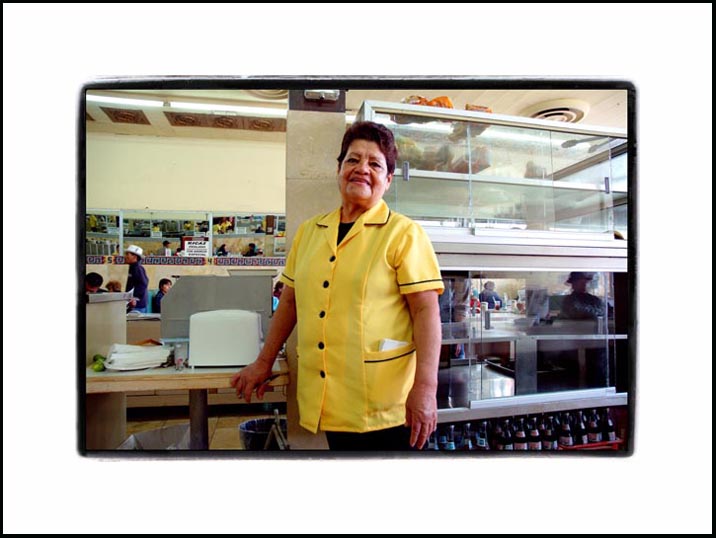
Amada has worked the counter at the Central Cafe in downtown Juarez, since the early 1980’s. The cafe is next door to the cathedral and is a major crossroads for buses -and most of all, people on foot- heading to all directions in the city. The cafe is a crossroads, the city’s heart, and a center of transition and change.
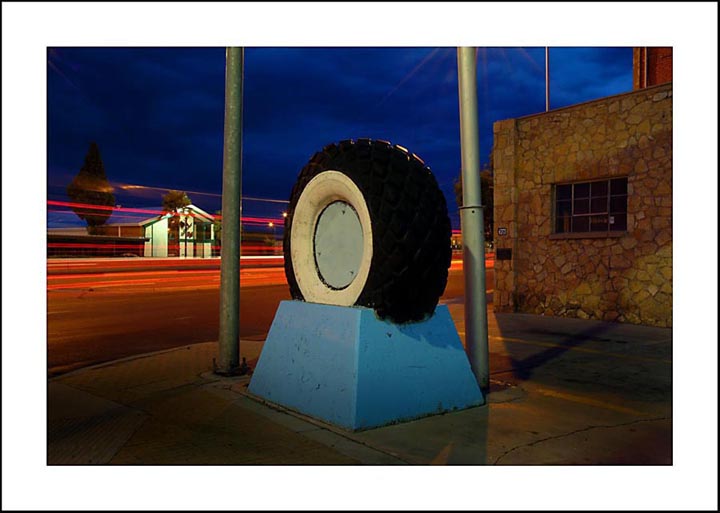
This giant tire is in front of Wicker Tire Company at 701 San Antonio St. in El Paso, Texas. It has been there since the late 1960’s and has become an El Paso landmark. The tire was originally on an earth moving vehicle that worked on the Panama Canal. It was brought to El Paso in the late 1960’s, where it has rested at the corner of Paisano Drive and San Antonio Street. Before Interstate 10 came to El Paso, Paisano Drive was U.S. Alt Route 80, the truck diversion route around El Paso, part of U.S. Route 80 that was the main southern route starting in Savannah, Georgia, and ending in San Diego, California. When Interstate 10, was completed, most cross country traffic was diverted from Paisano Drive, but, the Wicker tire has endured and enriched the landscape for several generations of El Pasoans and other passerby. Highway Art, a commercial mainstay of travel in the United States in the 1930’s through the 60’s, has become true art and and this one endures as a true El Paso landmark. Tom Wicker, son of the founder of Wicker Tire Company, maintains the Giant Tire, repainting it approximately every three years, “Or sooner if it’s graffiti-ed,” says Mr. Wicker .
Additional Notes on US Highway 80
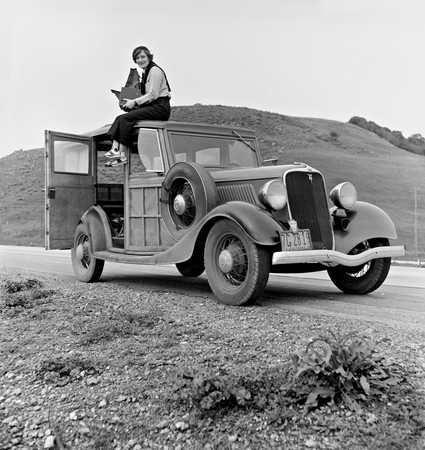
Photograph of Dorothea Lange,
Resettlement Administration photographer,
in California, c. 1936
The car is a 1933 Ford Model B (AKA “V8”).
She is -as well as Russell Lee and the other FSA photographers- the spiritual “Godmother,” of this site.
_______________________________
This is a picture of Dorothea Lange, at work. She was one of my earliest influences (the other was Weegee).
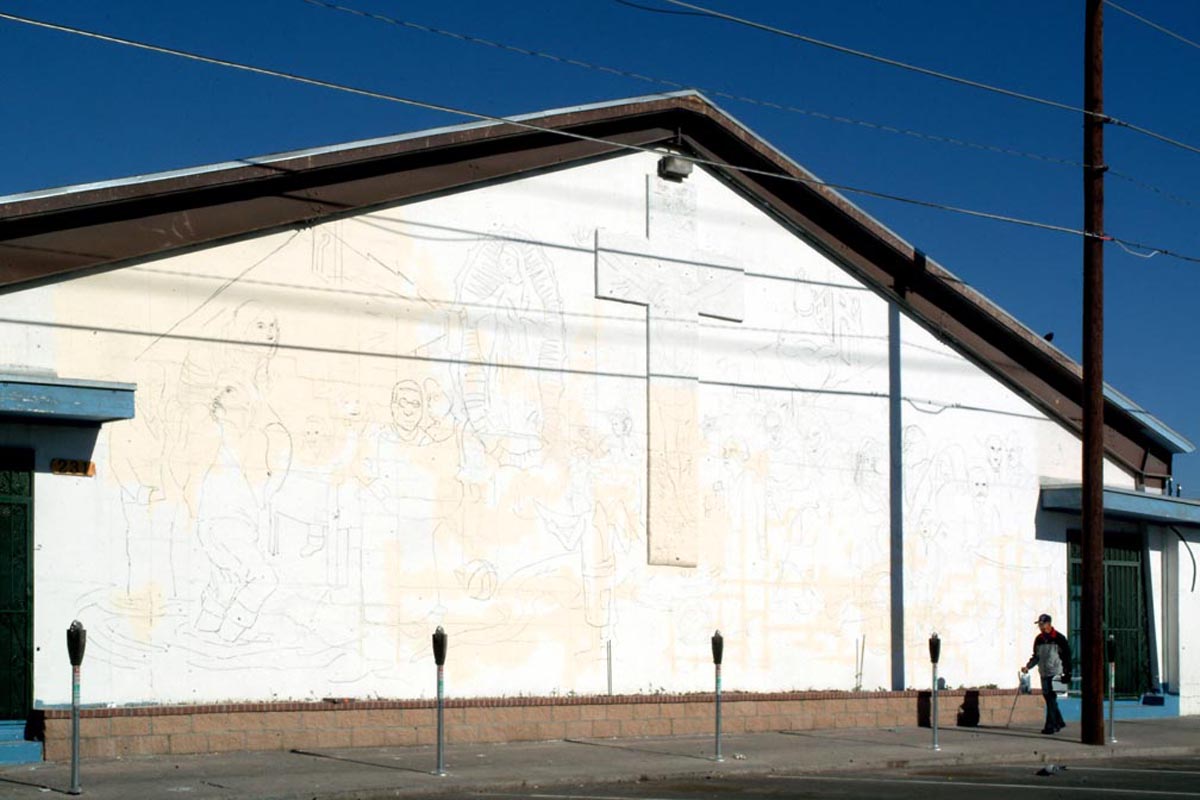
Day 2 / Christmas Eve eve
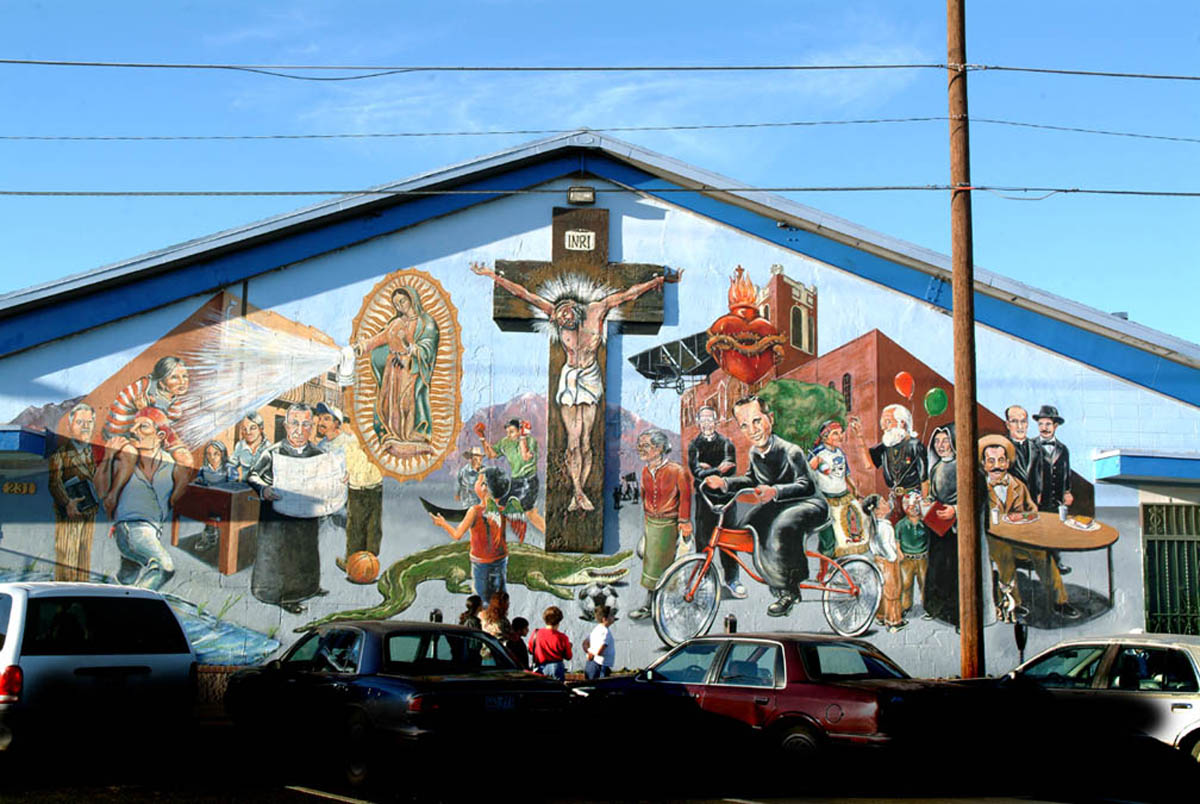
Day 44 / Finished
by Nathan Zarate
photograph by Jaime Ojo
Artist Francisco Delgado, his brother Oswaldo, his friend, artist Mauricio Olaque and a large helping hand from Bowie High School students and neighborhood residents began the Sagrado Corazon Mural on the night of Christmas Eve eve, 2006.
The mural, with support from Sagrado Corazon, local businessmen, concerned residents and ex-residents of the Segundo Barrio,
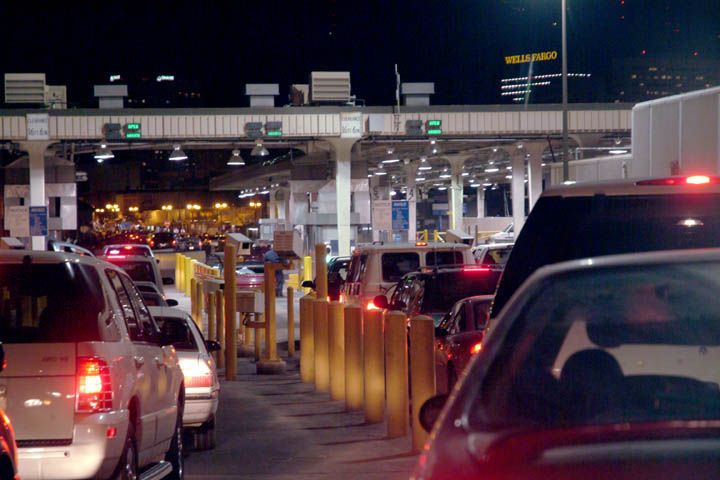
Entering USA from Juarez.Yet again.The bridge.Flirting from enclosed car to enclosed car.
Fumes.
Juice.
Anticipation.
MexOnline.com – Mexican Revolution of 1910